 MORDOVIA
MORDOVIA
About Mordovia
Саранск
- Год основания:1641
- Площадь территории:81,5 км²
- Численность:348,4 тыс. чел.
- Телефон администрации:+7 (8342) 39−27−39
- E-mail:saransk-office@e-mordovia.ru
The Republic of Mordovia is the closest national republic to Moscow, with a road distance of about 650 km from the Moscow Ring Road to the regional capital. Nevertheless, administratively, Mordovia belongs not to the Central but to the Volga Federal District.
The population of the republic is over 700 thousand people, the capital is Saransk (over 310 thousand people). Official languages: Russian and Mordovian (Erzya and Moksha) languages. The time zone coincides with Moscow.
Mordovia is a dynamically developing region located in the central part of the Russian Plain. The features of the local nature are determined by its geographical position at the intersection of the Oka-Don lowland forests and the forest-steppe of the Volga Uplands.
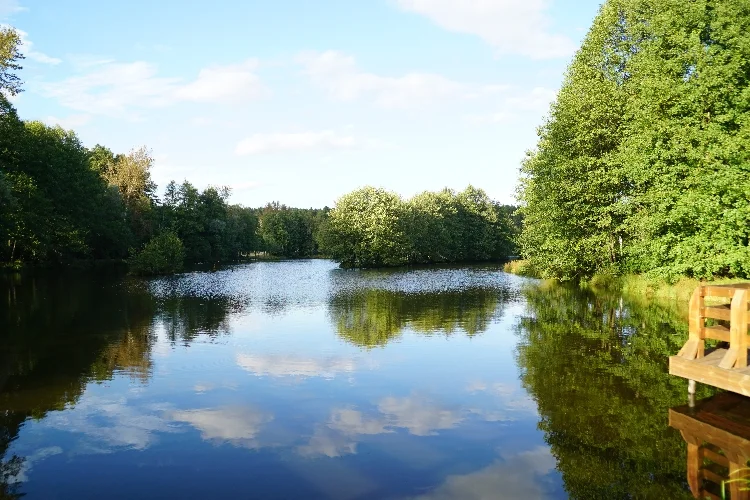
The republic's nature harmoniously combines a temperate mild climate, picturesque rivers, oak groves, pine forests, clean air, mineral waters, healing springs and wells.
Mordovia is the native home for representatives of over a hundred nationalities, the majority of the population are Russians, Mordvins, and Tatars. The region borders the Ryazan, Nizhny Novgorod, Ulyanovsk, Penza regions, and the Chuvash Republic.
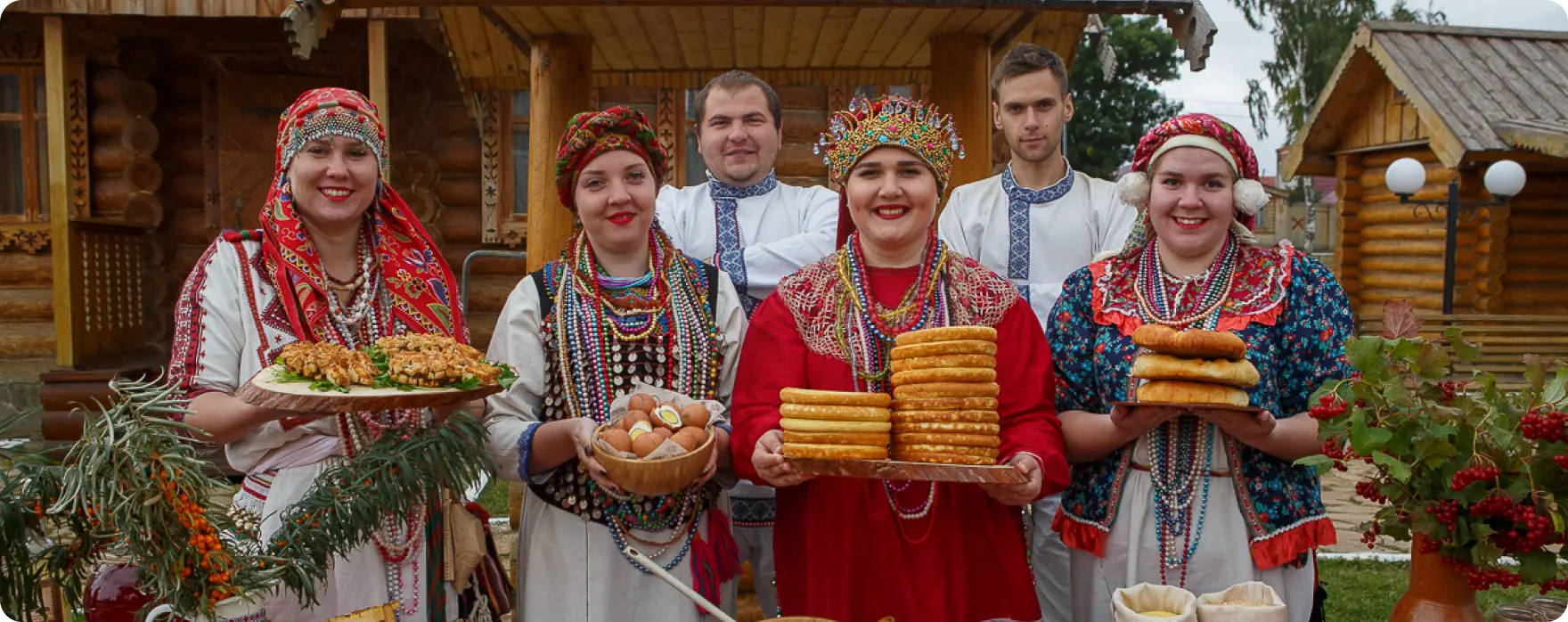
Nations of Mordovia
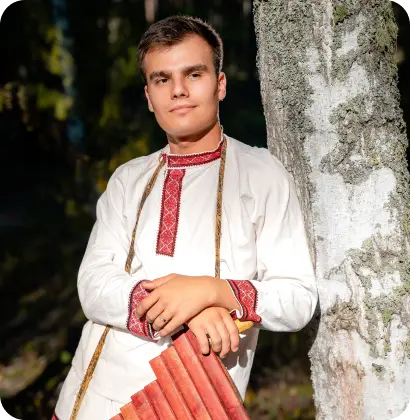
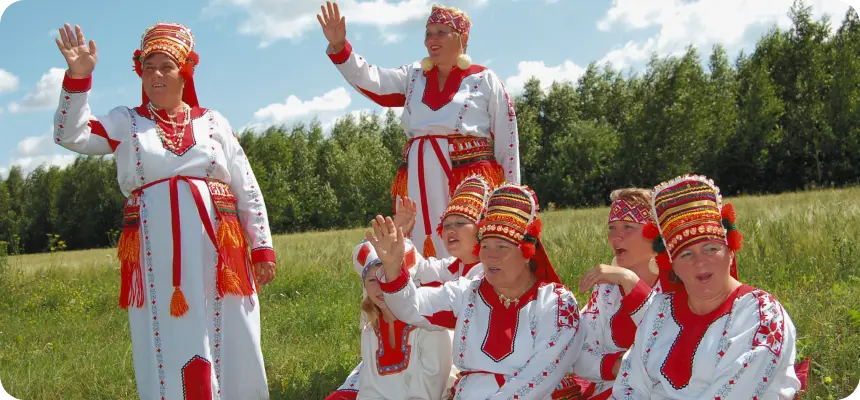
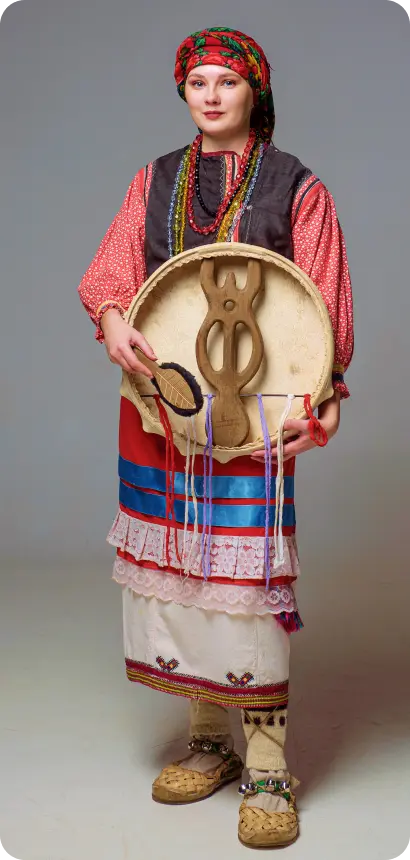
The Republic of Mordovia is a unique region where ancient traditions of Finno-Ugric peoples and Russia's rich cultural heritage are intertwined.
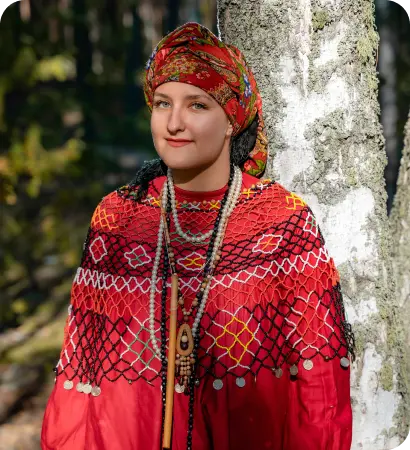
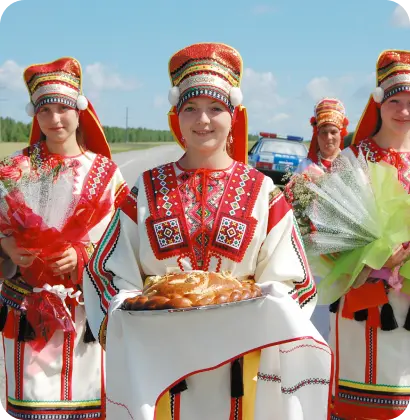
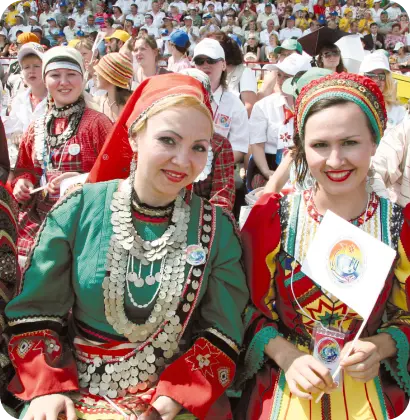
Here, representatives of different nationalities coexist peacefully, with the Mordvins - Erzya and Moksha - playing a key role as they form the foundation of the region's ethnic identity.
These two peoples, having preserved their distinctive language, traditions, and folk crafts, pass unique rituals, folklore, and crafts from generation to generation. Russians, Tatars, Chuvash, and representatives of other peoples also live in Mordovia, creating an atmosphere of diversity and cultural unity. This richness of traditions makes Mordovia one of Russia's centers of ethnocultural heritage, where national identity harmoniously combines with the spirit of friendship and mutual understanding.


History
Mordvin historically developed in the area of the Oka-Don interfluve, in a forest-steppe zone rich in forests and rivers.
The land of Mordovia was relatively densely populated at all times. Also, Tatars, Chuvashes, Russians lived here. Huns, Bulgars, Khazars, Pechenegs, Polovtsians, and Mongols, who influenced the formation of its culture and economy, invaded Mordovian lands.
At the end of the 14th century, the process of Mordovian lands joining the Moscow principality began.
The Mordovian people did not have a statehood until the 20th century, although, before that, Mordvin state unions began to be formed at the beginning of the 2nd millennium. By the beginning of the 20th century, the area of residence of the Mordovian population covered 25 provinces of European Russia. During this period, the majority of the ethnic group converted from paganism to Orthodoxy.
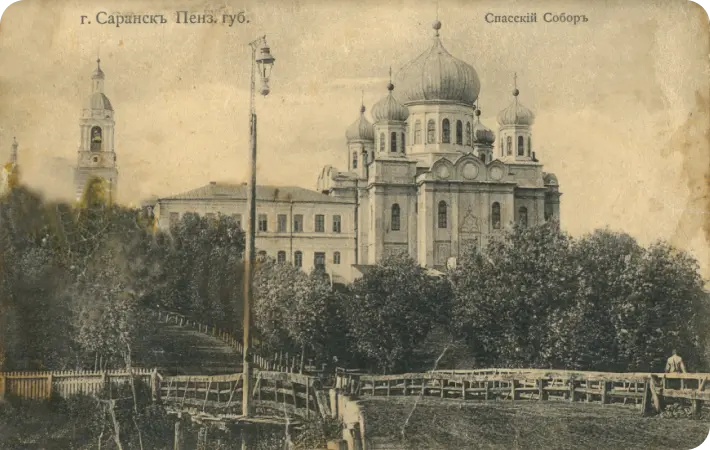
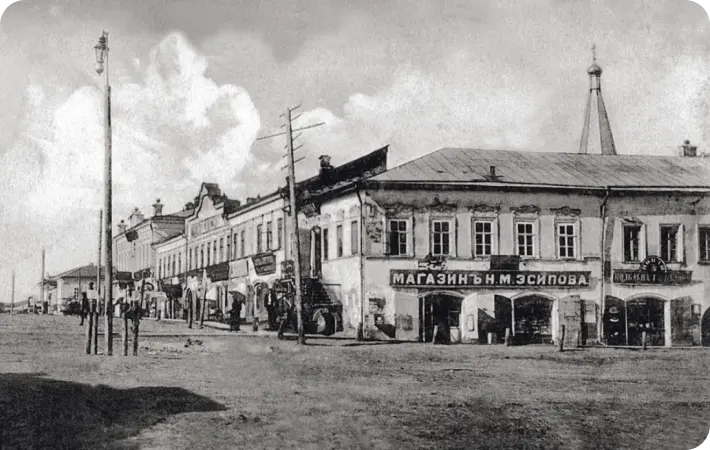
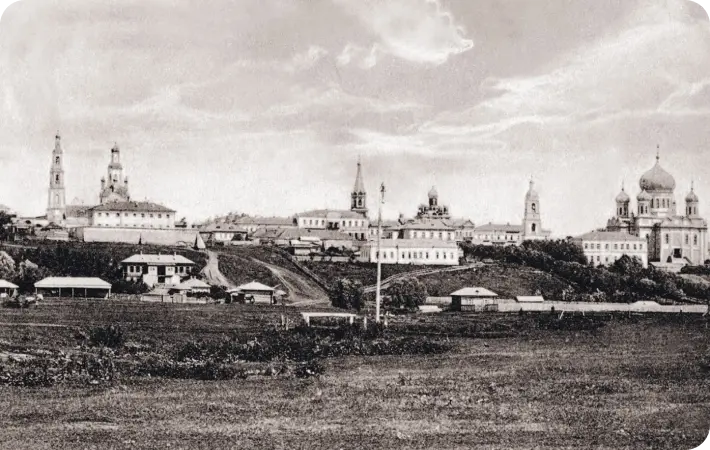
Volga region denotation spurred the next stage in the formation of Mordovian statehood. On May 28, 1928, the Saransk district was created. However, two months later, the Presidium of the VSCK of the VCP(b) approved the division into nine districts, changing the name from 'Saransk' to 'Mordovian'. The center was chosen as Saransk, although initially, the oldest provincial city of the republic – Temnikov was to become the capital, but they had to abandon it due to the absence of a railway.
On January 10, 1930, the Mordovian district was transformed into the Mordovian Autonomous Region. On December 20, 1934, the Politburo of the Central Committee of the VCP(b) considered the issue of transforming the Autonomous Mordovian Region into the Autonomous Mordovian Republic as part of the Middle Volga Krai.
On December 4, 1990, at the 9th session of the Supreme Council of the Mordovian Autonomous Soviet Socialist Republic (MASSR), a Declaration was adopted, according to which Mordovian and Union treaties.
The current Constitution of the Republic of Mordovia, adopted by the Constitutional Assembly of the Republic of Mordovia on September 21, 1995, established the new name, the foundations of the constitutional system, the rights and freedoms of the person and citizen, the state status and administrative-territorial structure of the Republic of Mordovia.
Nature of Mordovia
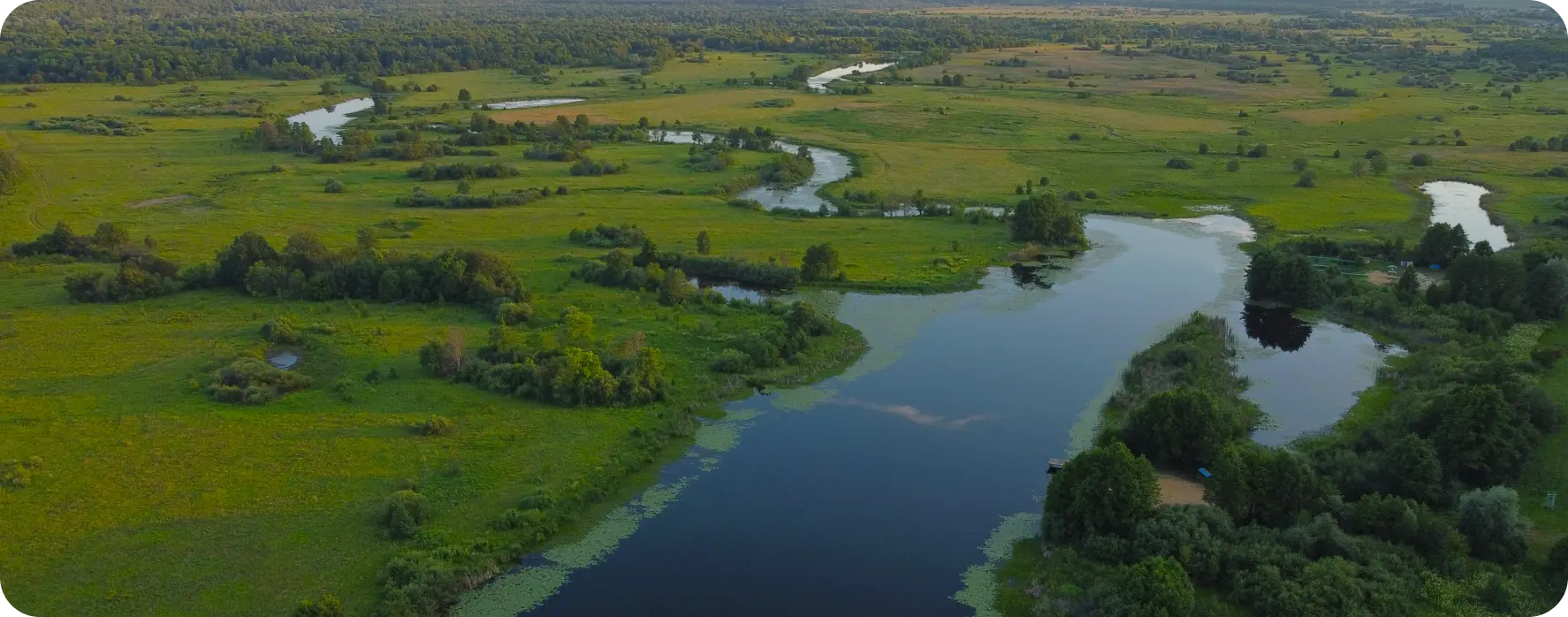
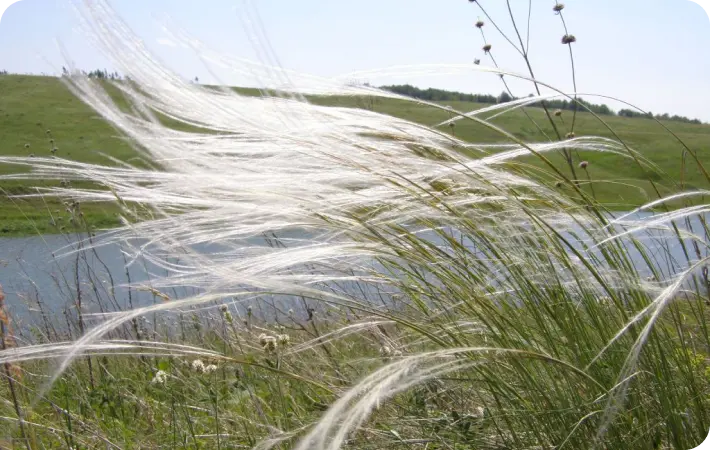
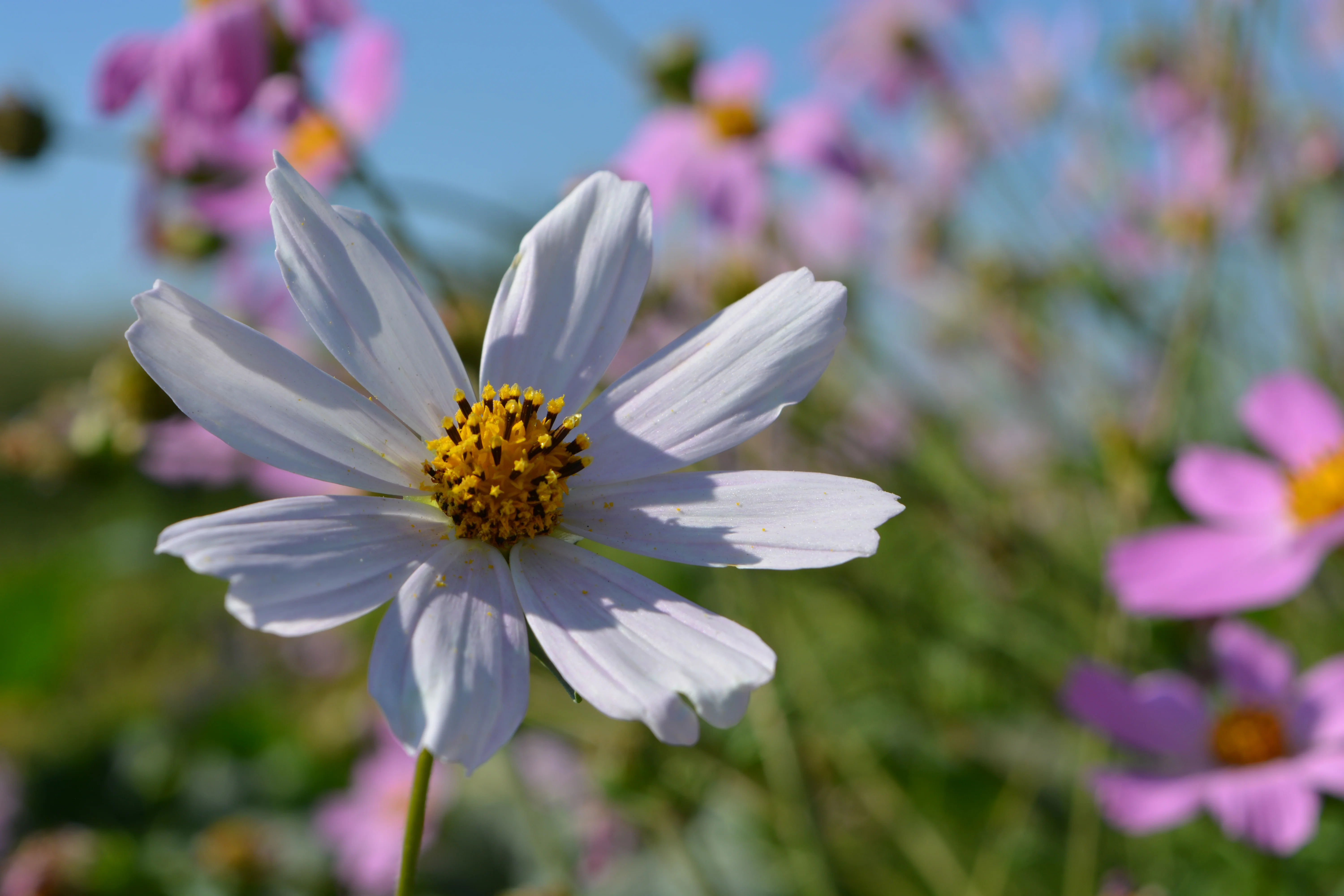
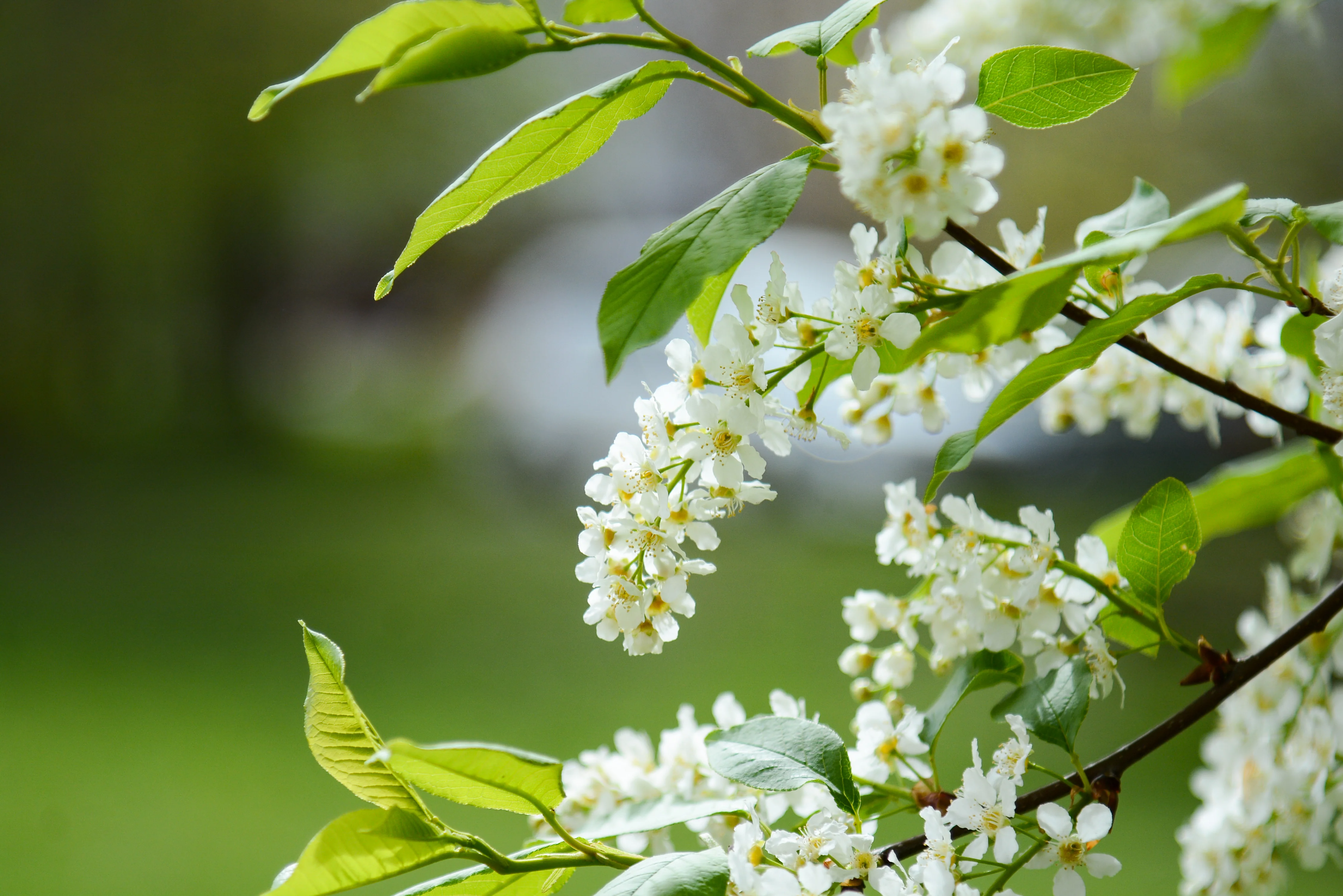
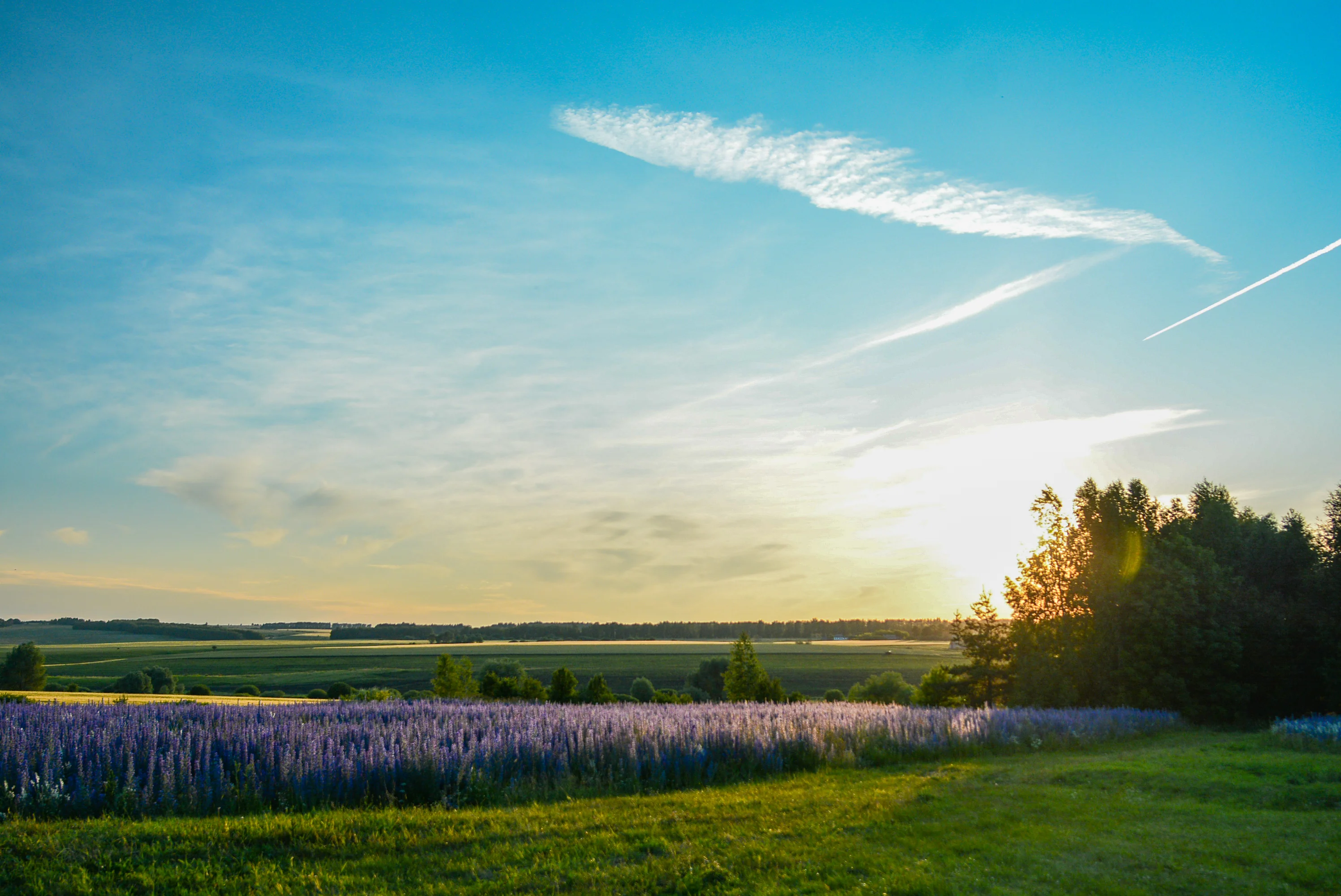
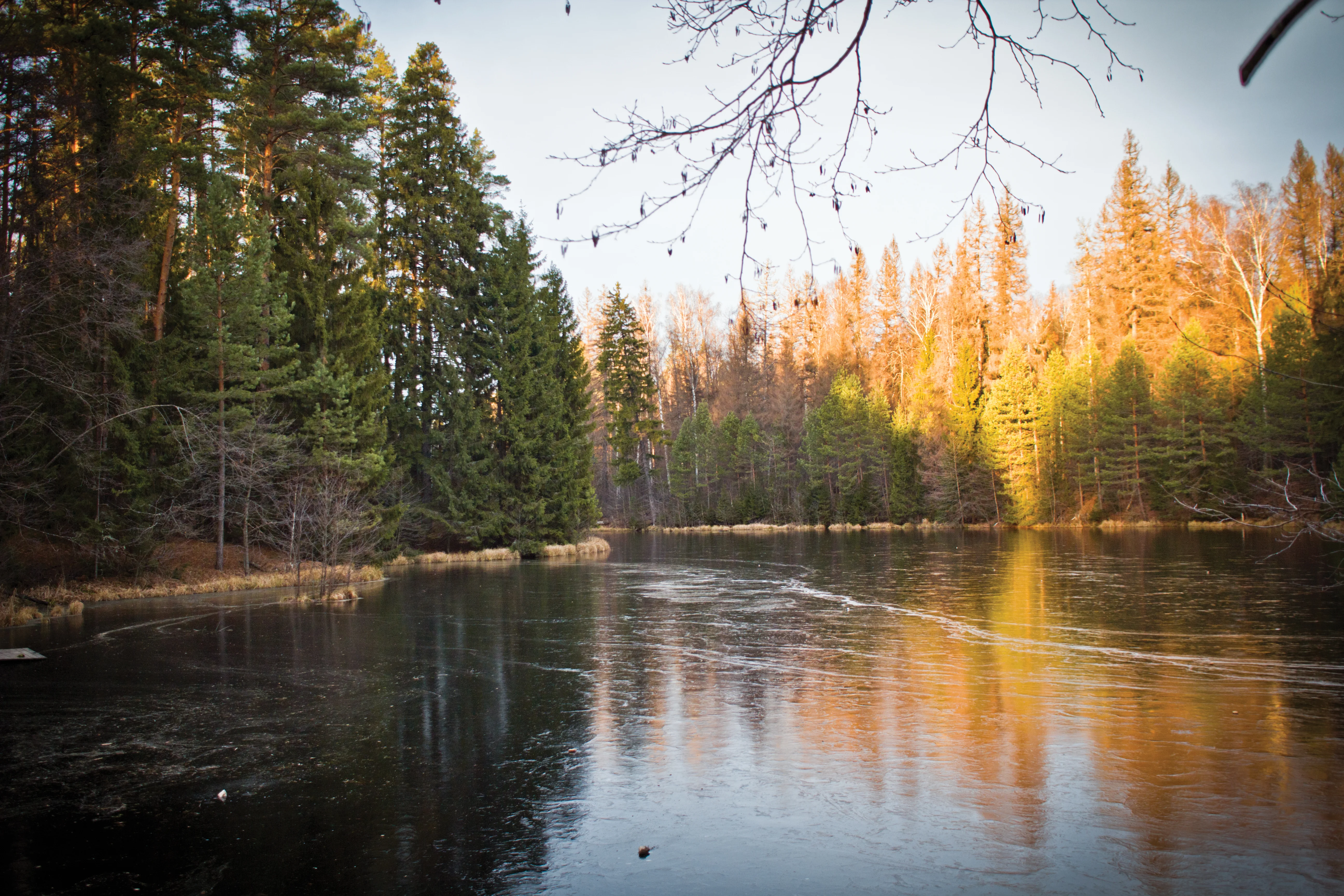
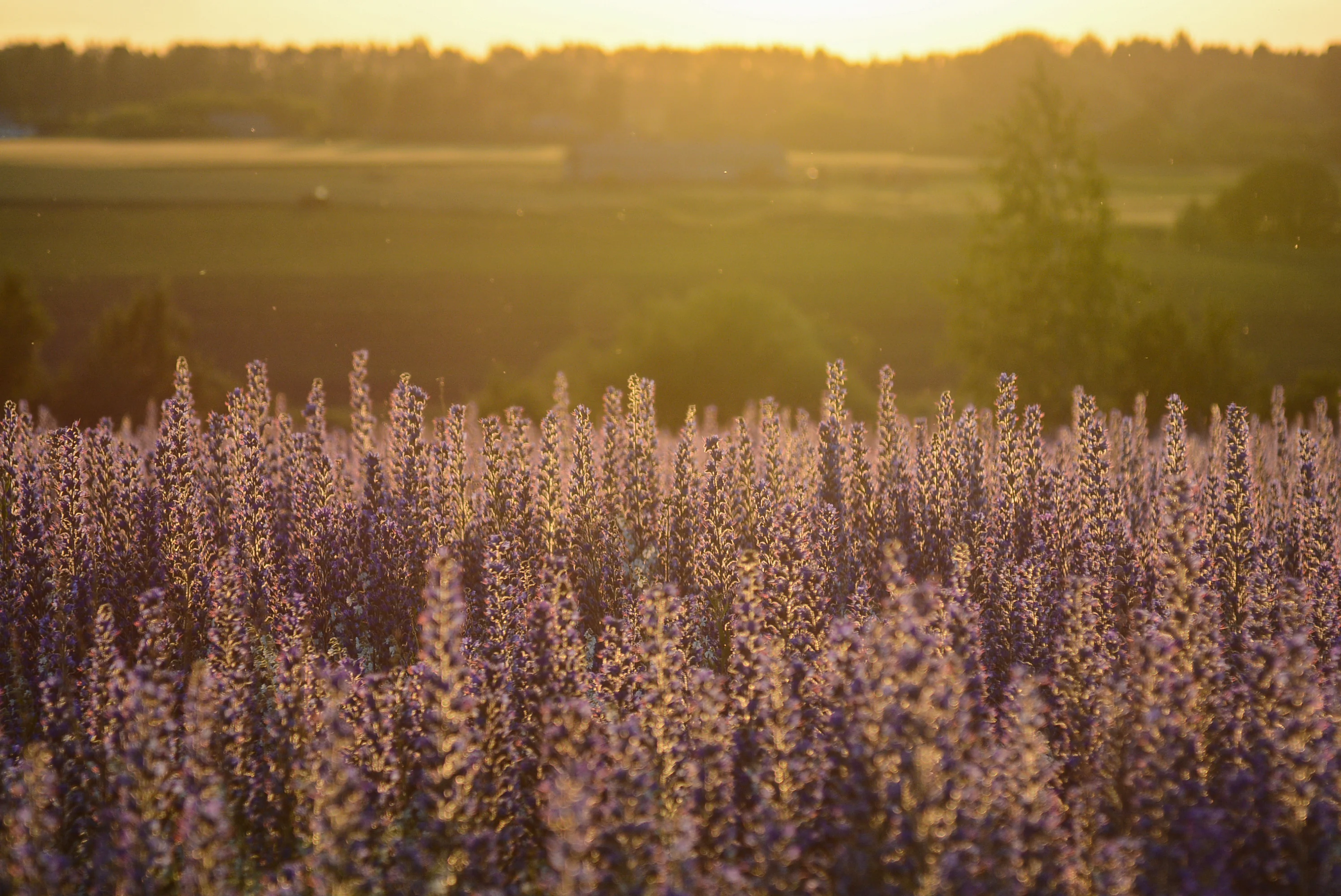
Mordovia's nature is an amazing combination of dense forests, spacious meadows, and picturesque river valleys that create the unique appearance of this region. More than a third of the republic's territory is covered with forests, where majestic oaks, slender pines, and spreading linden trees fill the air with freshness and greenery aromas.
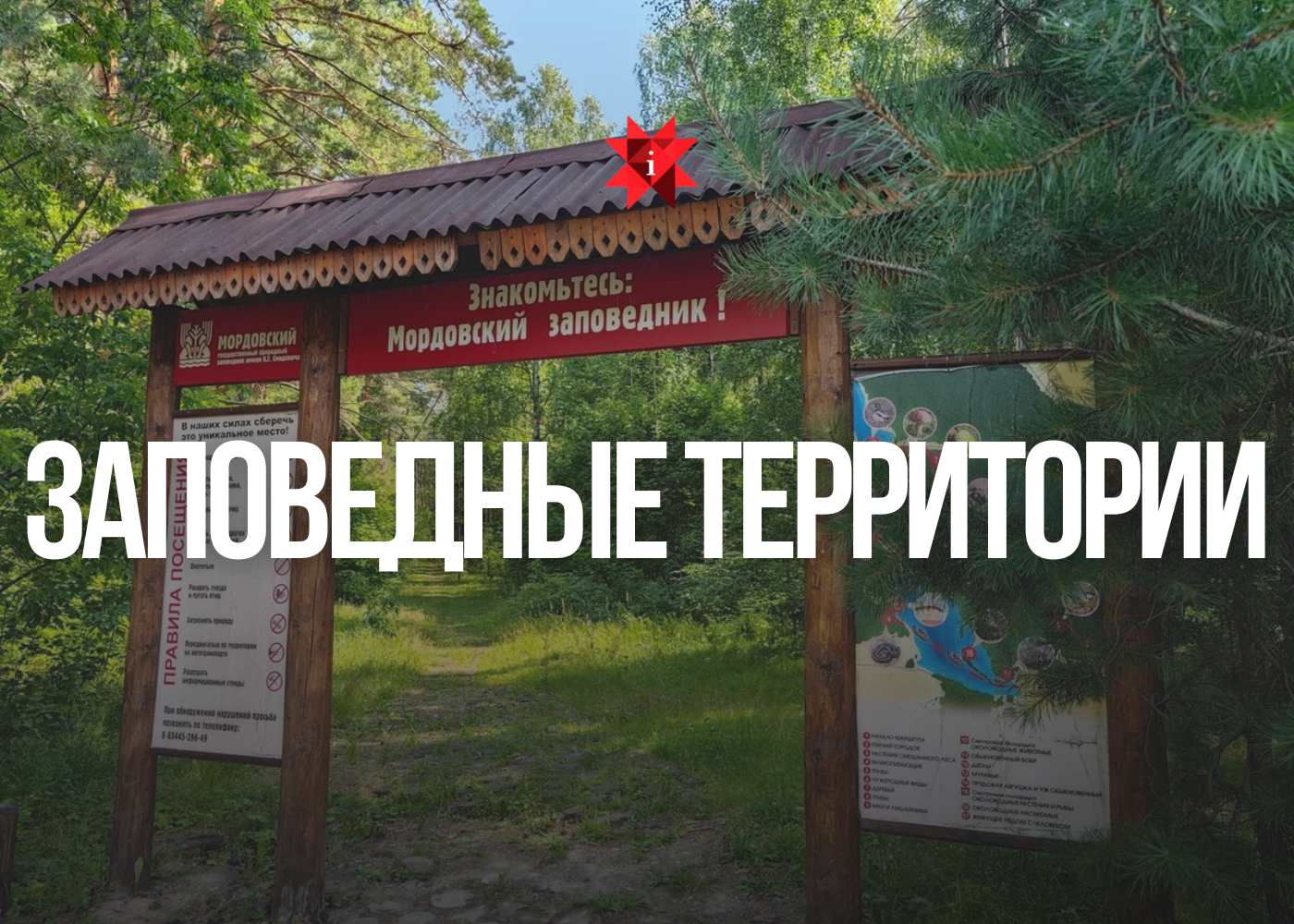
The Moksha and Sura rivers, meandering through the plains, provide life-giving moisture and add special charm to the landscapes. In the Mordovian Nature Reserve and Smolny National Park, rare animal species such as brown bear, lynx, and black stork inhabit, while the diversity of flora delights the eye with its colors throughout the year.
Brands of Mordovia
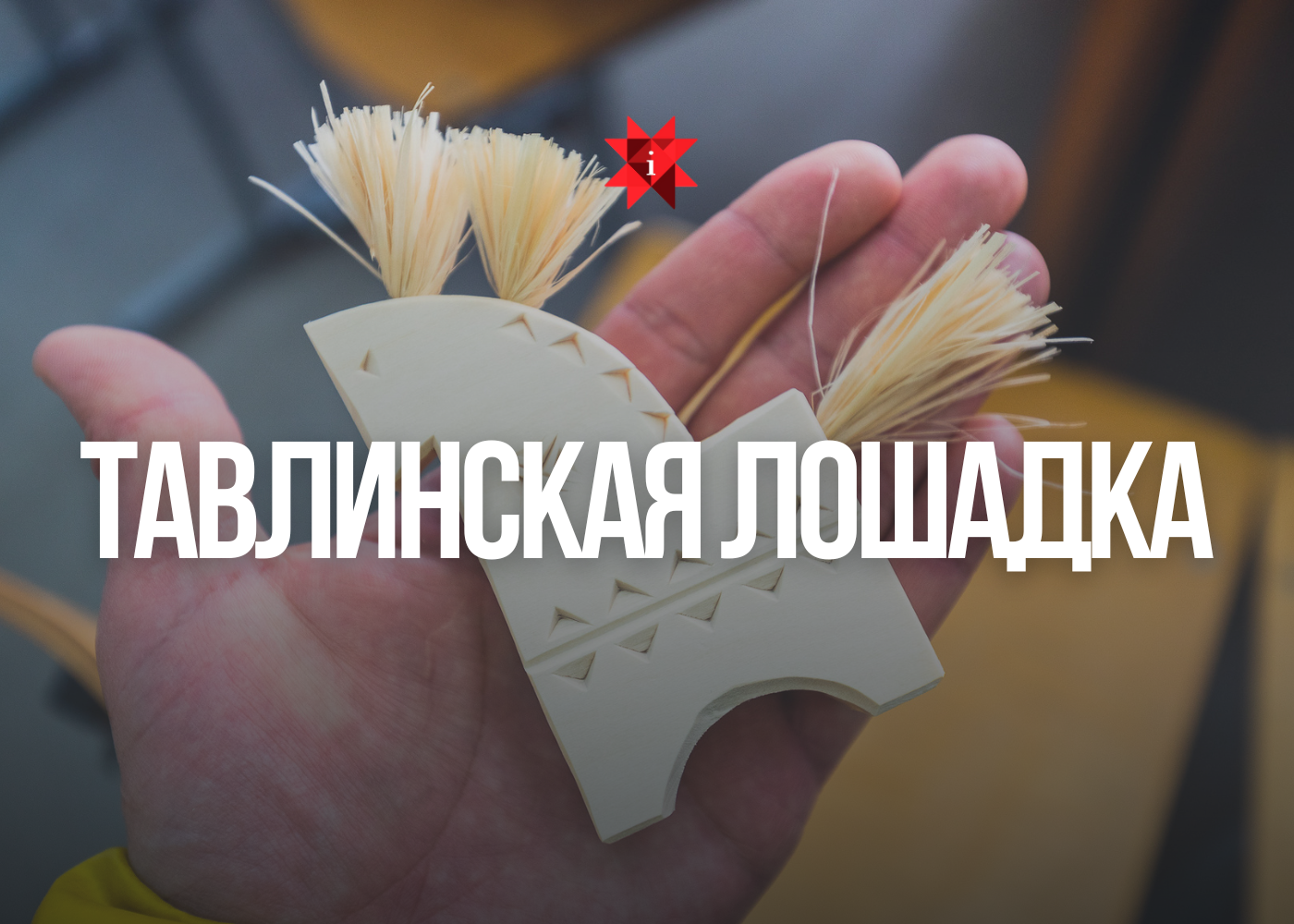
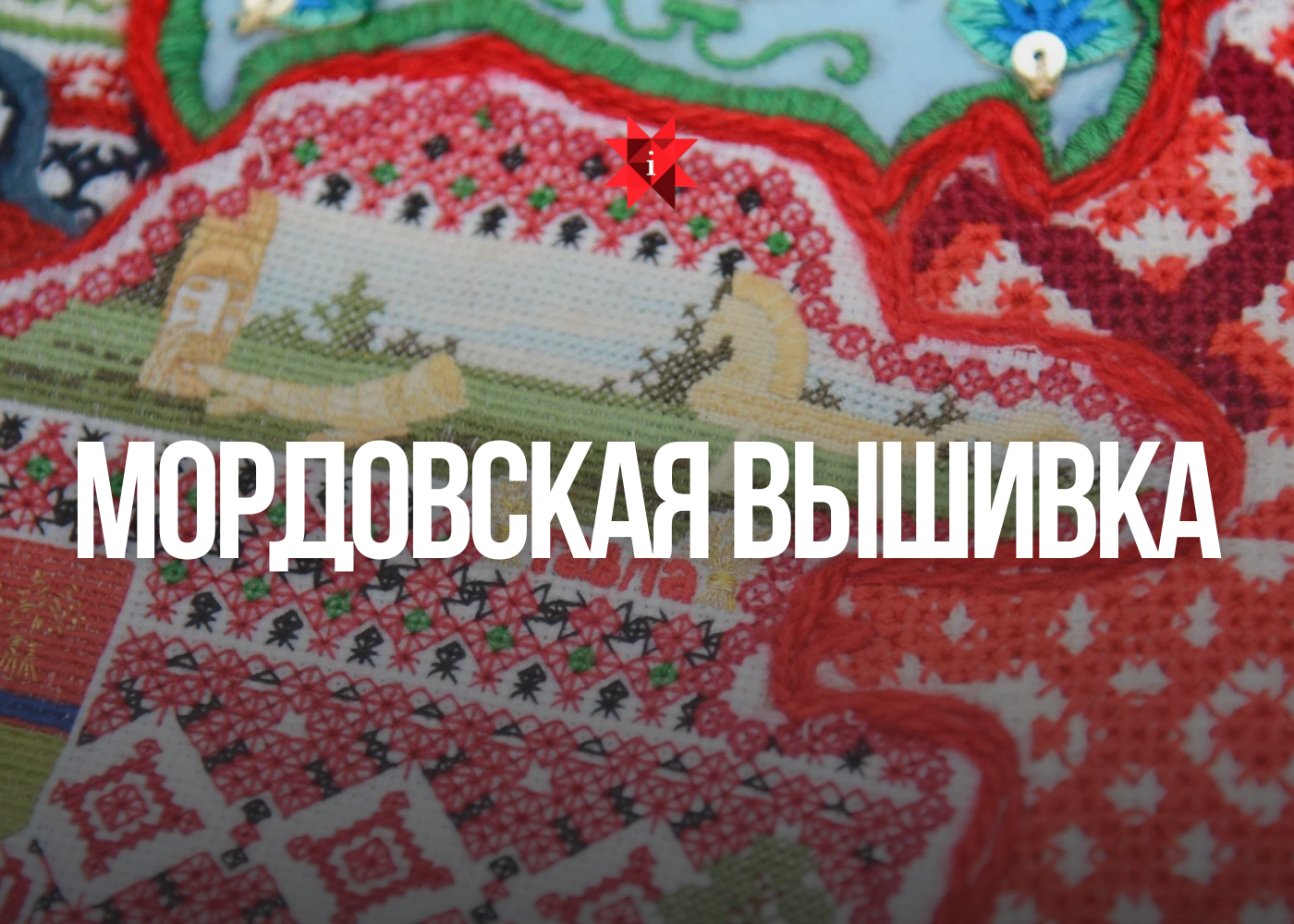
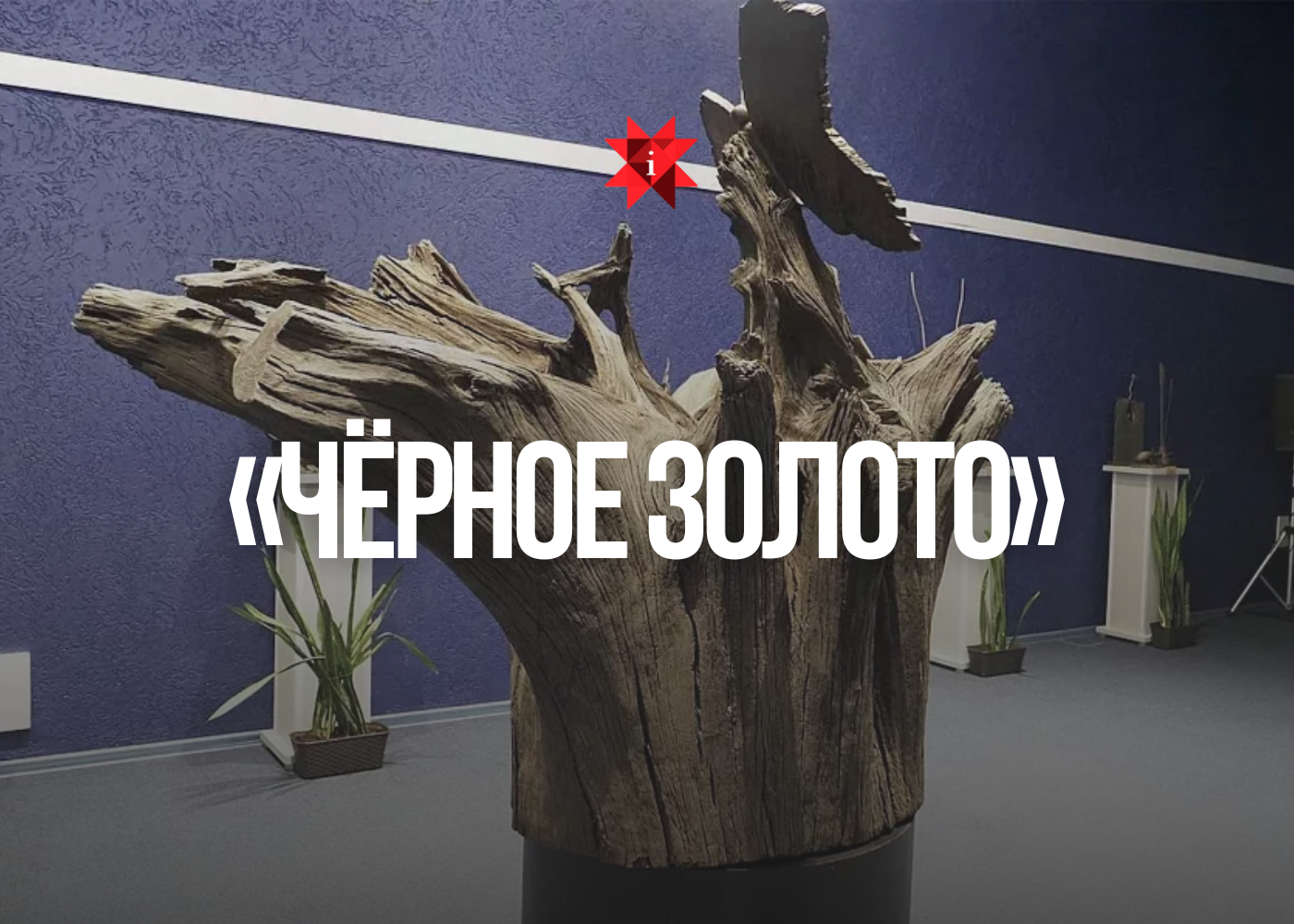

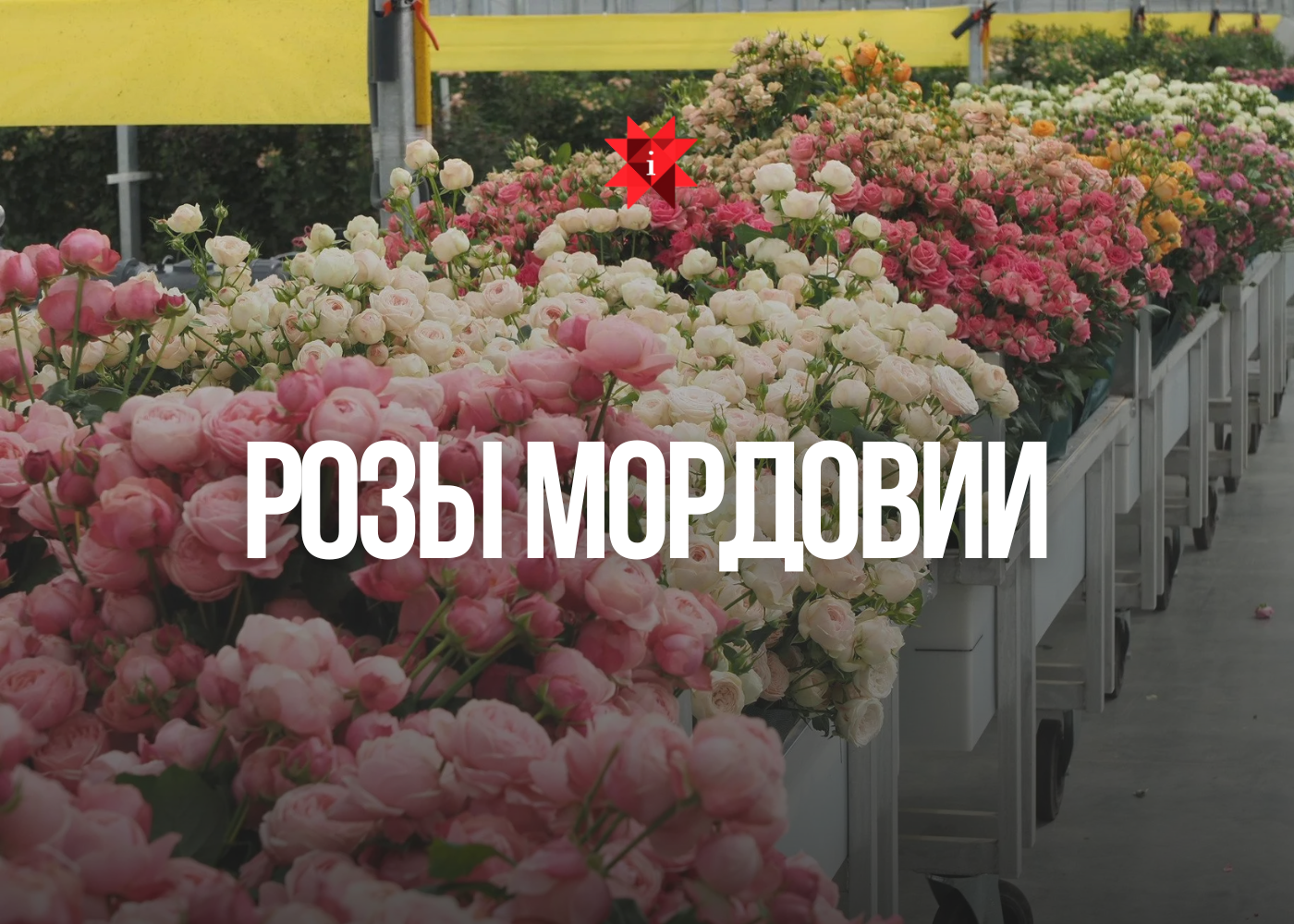
Mordovia in numbers
an hour by plane or a night by train – the travel time from Moscow to Saransk
times Saransk entered the top three most well-equipped cities in Russia
place – Saransk is ranked among the most environmentally clean cities in the country (2022)
place among Russian cities – Saransk is ranked as one of the most affordable tourist destinations according to the travel.ru service.
place – Saransk is ranked among the safest cities in Russia according to the Domofond.ru service.
monasteries invite pilgrims and tourists to Mordovia.